
Samia azungumza na wanahabari juu ya kutokomeza malaria
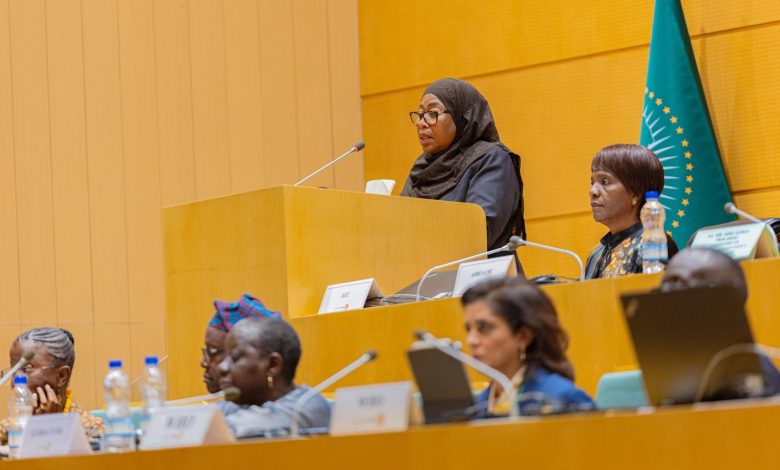
RAIS Samia Suluhu Hassan akizungumza na wanahabari juu ya ufadhili endelevu wa kutokomeza Malaria pembezoni mwa Mkutano wa Wakuu wa Nchi wa Umoja wa Afrika, leo Februari 14, 2026 jijini Addis Ababa, Ethiopia.

Mkutano huo na Wanahabari ulikuwa chini ya Mwenyekiti wa Umoja wa Viongozi wa Afrika dhidi ya Malaria (ALMA) Rais wa Botswana, Duma Gideon Boko. (Picha na Ikulu)




I just came across this amazing way to earn $6,000-$8,000 a week online! No selling, no struggle—just a simple system that anyone can follow. Mia Westbrook did it, and so can you! Don’t miss out on this life-changing opportunity.
.
Follow Here ……………………… https://Www.Cash54.Com
I get paid over 220 Dollars per hour working from home with 2 kids at home. i never thought i’d be able to do it but my best friend earns over 15k a month doing this and she convinced me to try. it was all true and has totally changed my life. This is what I do, check it out by Visiting Following Website…
.
More Details For Us→→→→→→→→→ https://Www.Payathome9.Com
I’ve gained $17,240 only within four weeks by comfortably working part-time from home. Immediately when I had lost my last business, I was very troubled and thankfully I’ve located this project now in this way I’m in a position to receive thousand USD directly from home. Each individual certainly can do this easy work & make more greenbacks online by visiting
following website——>> >www.giftpay7.vip
Top 10 Unhappiest Countries in 2024 (World Happiness Report)
Afghanistan (Lowest score, 1.72)
Lebanon (High economic instability)
Lesotho (Social/security challenges)
Sierra Leone (High poverty)
Congo, Democratic Republic of (Poverty, instability)
Zimbabwe (Economic hardship)
Botswana
Malawi
Eswatini
Zambia
Key Factors for Low Happiness
War & Conflict: Afghanistan and Yemen (a top least-peaceful country) face severe, ongoing conflicts.
Economic Collapse: Lebanon and Zimbabwe are suffering from hyperinflation and economic mismanagement.
Poverty & Disease: Countries like Malawi and Sierra Leone struggle with extreme poverty and health crises.
Countries with Highest Total Dependency Ratios (High Fertility/Childhood Dependency)
These nations have a high proportion of children (0–14) relative to the working-age population (15–64).
Central African Republic: 105.18% (2023)
Niger: 98.16%
Somalia: 97.02%
DR Congo: ~95-100%
Chad: High child dependency
Uganda: 86.8%
Tanzania: 86.8%
Burkina Faso: 86.1%
Mozambique: 85.5%
Nigeria: 85.3%
Afghanistan: ~82.7% (notably the only non-African country in the top 30)
Countries with Highest Old-Age Dependency Ratios (Aging Populations)
These countries face high dependency due to a shrinking workforce and a large elderly population.
Japan: Highest globally, with an old-age ratio exceeding 50% (2+ workers per elderly person).
Italy: ~37%
Finland: ~37%
Key Trends
Child Dependency: Africa holds the highest ratios due to large, young populations.
Old-Age Dependency: Europe and Japan have high dependency due to aging.
Global Average: The global dependency ratio is roughly 58%
Several countries offer free or nearly free tuition at public universities for residents, EU/EEA citizens, and sometimes all international students. Top countries include Germany, Norway, Finland, Sweden, Denmark, Austria, Iceland, and Slovenia. While tuition is free, students often pay nominal semester fees (e.g., €100–€350 in Germany).
Key Countries with Free/Low-Cost Higher Education:
Germany: Public universities are generally free for all students, including non-EU nationals, with only small administrative fees.
Norway: Public higher education is free for all students, including those from outside the EU/EEA.
Finland: Free for EU/EEA and Swiss citizens; doctoral-level studies are often free for all.
Sweden: Free for EU/EEA and Swiss citizens, with PhD programs often free for all.
Denmark: Free for EU/EEA and Swiss citizens.
Austria: Free for EU/EEA students at public universities, with low fees for non-Europeans.
Iceland: Public universities are generally tuition-free for all students, requiring only an registration fee.
Czech Republic: Free for all, provided the program is taught in the Czech language.
Greece: Free for EU/EEA students, with low-cost options for others.
France: Public universities have very low, subsidized fees for all students.
Several countries and specific regions offer free or nearly free land to attract residents, investors, or agricultural development. Key locations include Botswana (for citizens), Tanzania (for industrial investors in Dodoma), Pitcairn Island, and parts of the USA (such as Iowa and Minnesota). These programs often require building a home within a specific timeframe or investing in the local economy.
Botswana: Citizens can receive free land for residential use.
Tanzania: The government offers free land for investors in building/construction materials. Specific industrial plots are available in Dodoma.
Pitcairn Island: Offers free land to individuals willing to settle in this remote Pacific location, provided they build a home.
Italy: Various towns offer abandoned homes for €1 ($1), such as in Maenza, requiring renovation within a few years.
USA:
Marne, Iowa: Offers free plots for residential construction.
Manila, Iowa: Provides free lots for building homes.
Claremont, Minnesota: Offers free lots for working families to build homes.
Buffalo, New York: Offers parcels for $1, requiring 3+ years of residency.
Canada: The Yukon territory has agricultural programs, and the rural municipality of Pipestone, Manitoba, has offered land for a very low cost ($10).
Congo-Brazzaville: Offered 99-year free leases to farmers for agricultural development.
Japan: Offers, and in some cases gives away, abandoned, rural homes (Akiya) to combat aging populations.
Countries with Highest Total Dependency Ratios (High Fertility/Childhood Dependency)
These nations have a high proportion of children (0–14) relative to the working-age population (15–64).
Central African Republic: 105.18% (2023)
Niger: 98.16%
Somalia: 97.02%
DR Congo: ~95-100%
Chad: High child dependency
Uganda: 86.8%
Tanzania: 86.8%
Burkina Faso: 86.1%
Mozambique: 85.5%
Nigeria: 85.3%
Afghanistan: ~82.7% (notably the only non-African country in the top 30)
Countries with Highest Old-Age Dependency Ratios (Aging Populations)
These countries face high dependency due to a shrinking workforce and a large elderly population.
Japan: Highest globally, with an old-age ratio exceeding 50% (2+ workers per elderly person).
Italy: ~37%
Finland: ~37%
Key Trends
Child Dependency: Africa holds the highest ratios due to large, young populations.
Old-Age Dependency: Europe and Japan have high dependency due to aging.
Global Average: The global dependency ratio is roughly 58%
Countries with Highest Total Dependency Ratios (High Fertility/Childhood Dependency)
These nations have a high proportion of children (0–14) relative to the working-age population (15–64).
Central African Republic: 105.18% (2023)
Niger: 98.16%
Somalia: 97.02%
DR Congo: ~95-100%
Chad: High child dependency
Uganda: 86.8%
Tanzania: 86.8%
Burkina Faso: 86.1%
Mozambique: 85.5%
Nigeria: 85.3%
Afghanistan: ~82.7% (notably the only non-African country in the top 30)
Countries with Highest Old-Age Dependency Ratios (Aging Populations)
These countries face high dependency due to a shrinking workforce and a large elderly population.
Japan: Highest globally, with an old-age ratio exceeding 50% (2+ workers per elderly person).
Italy: ~37%
Finland: ~37%
Key Trends
Child Dependency: Africa holds the highest ratios due to large, young populations.
Old-Age Dependency: Europe and Japan have high dependency due to aging.
Global Average: The global dependency ratio is roughly 58%.
Top 10 Unhappiest Countries in 2024 (World Happiness Report)
Afghanistan (Lowest score, 1.72)
Lebanon (High economic instability)
Lesotho (Social/security challenges)
Sierra Leone (High poverty)
Congo, Democratic Republic of (Poverty, instability)
Zimbabwe (Economic hardship)
Botswana
Malawi
Eswatini
Zambia
Key Factors for Low Happiness
War & Conflict: Afghanistan and Yemen (a top least-peaceful country) face severe, ongoing conflicts.
Economic Collapse: Lebanon and Zimbabwe are suffering from hyperinflation and economic mismanagement.
Poverty & Disease: Countries like Malawi and Sierra Leone struggle with extreme poverty and health crises.
Several countries offer free or nearly free tuition at public universities for residents, EU/EEA citizens, and sometimes all international students. Top countries include Germany, Norway, Finland, Sweden, Denmark, Austria, Iceland, and Slovenia. While tuition is free, students often pay nominal semester fees (e.g., €100–€350 in Germany).
Key Countries with Free/Low-Cost Higher Education:
Germany: Public universities are generally free for all students, including non-EU nationals, with only small administrative fees.
Norway: Public higher education is free for all students, including those from outside the EU/EEA.
Finland: Free for EU/EEA and Swiss citizens; doctoral-level studies are often free for all.
Sweden: Free for EU/EEA and Swiss citizens, with PhD programs often free for all.
Denmark: Free for EU/EEA and Swiss citizens.
Austria: Free for EU/EEA students at public universities, with low fees for non-Europeans.
Iceland: Public universities are generally tuition-free for all students, requiring only an registration fee.
Czech Republic: Free for all, provided the program is taught in the Czech language.
Greece: Free for EU/EEA students, with low-cost options for others.
France: Public universities have very low, subsidized fees for all students.
Several countries and specific regions offer free or nearly free land to attract residents, investors, or agricultural development. Key locations include Botswana (for citizens), Tanzania (for industrial investors in Dodoma), Pitcairn Island, and parts of the USA (such as Iowa and Minnesota). These programs often require building a home within a specific timeframe or investing in the local economy.
Botswana: Citizens can receive free land for residential use.
Tanzania: The government offers free land for investors in building/construction materials. Specific industrial plots are available in Dodoma.
Pitcairn Island: Offers free land to individuals willing to settle in this remote Pacific location, provided they build a home.
Italy: Various towns offer abandoned homes for €1 ($1), such as in Maenza, requiring renovation within a few years.
USA:
Marne, Iowa: Offers free plots for residential construction.
Manila, Iowa: Provides free lots for building homes.
Claremont, Minnesota: Offers free lots for working families to build homes.
Buffalo, New York: Offers parcels for $1, requiring 3+ years of residency.
Canada: The Yukon territory has agricultural programs, and the rural municipality of Pipestone, Manitoba, has offered land for a very low cost ($10).
Congo-Brazzaville: Offered 99-year free leases to farmers for agricultural development.
Japan: Offers, and in some cases gives away, abandoned, rural homes (Akiya) to combat aging populations.
Top 10 Unhappiest Countries in 2024 (World Happiness Report)
Afghanistan (Lowest score, 1.72)
Lebanon (High economic instability)
Lesotho (Social/security challenges)
Sierra Leone (High poverty)
Congo, Democratic Republic of (Poverty, instability)
Zimbabwe (Economic hardship)
Botswana
Malawi
Eswatini
Zambia
Key Factors for Low Happiness
War & Conflict: Afghanistan and Yemen (a top least-peaceful country) face severe, ongoing conflicts.
Economic Collapse: Lebanon and Zimbabwe are suffering from hyperinflation and economic mismanagement.
Poverty & Disease: Countries like Malawi and Sierra Leone struggle with extreme poverty and health crises.
Countries with Highest Total Dependency Ratios (High Fertility/Childhood Dependency)
These nations have a high proportion of children (0–14) relative to the working-age population (15–64).
Central African Republic: 105.18% (2023)
Niger: 98.16%
Somalia: 97.02%
DR Congo: ~95-100%
Chad: High child dependency
Uganda: 86.8%
Tanzania: 86.8%
Burkina Faso: 86.1%
Mozambique: 85.5%
Nigeria: 85.3%
Afghanistan: ~82.7% (notably the only non-African country in the top 30)
Countries with Highest Old-Age Dependency Ratios (Aging Populations)
These countries face high dependency due to a shrinking workforce and a large elderly population.
Japan: Highest globally, with an old-age ratio exceeding 50% (2+ workers per elderly person).
Italy: ~37%
Finland: ~37%
Key Trends
Child Dependency: Africa holds the highest ratios due to large, young populations.
Old-Age Dependency: Europe and Japan have high dependency due to aging.
Global Average: The global dependency ratio is roughly 58%
Several countries offer free or nearly free tuition at public universities for residents, EU/EEA citizens, and sometimes all international students. Top countries include Germany, Norway, Finland, Sweden, Denmark, Austria, Iceland, and Slovenia. While tuition is free, students often pay nominal semester fees (e.g., €100–€350 in Germany).
Key Countries with Free/Low-Cost Higher Education:
Germany: Public universities are generally free for all students, including non-EU nationals, with only small administrative fees.
Norway: Public higher education is free for all students, including those from outside the EU/EEA.
Finland: Free for EU/EEA and Swiss citizens; doctoral-level studies are often free for all.
Sweden: Free for EU/EEA and Swiss citizens, with PhD programs often free for all.
Denmark: Free for EU/EEA and Swiss citizens.
Austria: Free for EU/EEA students at public universities, with low fees for non-Europeans.
Iceland: Public universities are generally tuition-free for all students, requiring only an registration fee.
Czech Republic: Free for all, provided the program is taught in the Czech language.
Greece: Free for EU/EEA students, with low-cost options for others.
France: Public universities have very low, subsidized fees for all students.
Several countries and specific regions offer free or nearly free land to attract residents, investors, or agricultural development. Key locations include Botswana (for citizens), Tanzania (for industrial investors in Dodoma), Pitcairn Island, and parts of the USA (such as Iowa and Minnesota). These programs often require building a home within a specific timeframe or investing in the local economy.
Botswana: Citizens can receive free land for residential use.
Tanzania: The government offers free land for investors in building/construction materials. Specific industrial plots are available in Dodoma.
Pitcairn Island: Offers free land to individuals willing to settle in this remote Pacific location, provided they build a home.
Italy: Various towns offer abandoned homes for €1 ($1), such as in Maenza, requiring renovation within a few years.
USA:
Marne, Iowa: Offers free plots for residential construction.
Manila, Iowa: Provides free lots for building homes.
Claremont, Minnesota: Offers free lots for working families to build homes.
Buffalo, New York: Offers parcels for $1, requiring 3+ years of residency.
Canada: The Yukon territory has agricultural programs, and the rural municipality of Pipestone, Manitoba, has offered land for a very low cost ($10).
Congo-Brazzaville: Offered 99-year free leases to farmers for agricultural development.
Japan: Offers, and in some cases gives away, abandoned, rural homes (Akiya) to combat aging populations.