

Tanzania, Austria kuimarisha usalama, uhamiaji

DAR ES SALAAM: Naibu Waziri wa Mambo ya Ndani ya Nchi, Ayoub Mohammed Mahmoud amekutana na kufanya mazungumzo na Naibu Waziri wa Mambo ya Nje wa Austria anayeshughulikia masuala ya siasa, Balozi Dk Hannah Liko, ambapo wamekubaliana kuimarisha ushirikiano katika masuala ya uhamiaji, fursa za ajira, usalama pamoja na masuala ya wakimbizi.
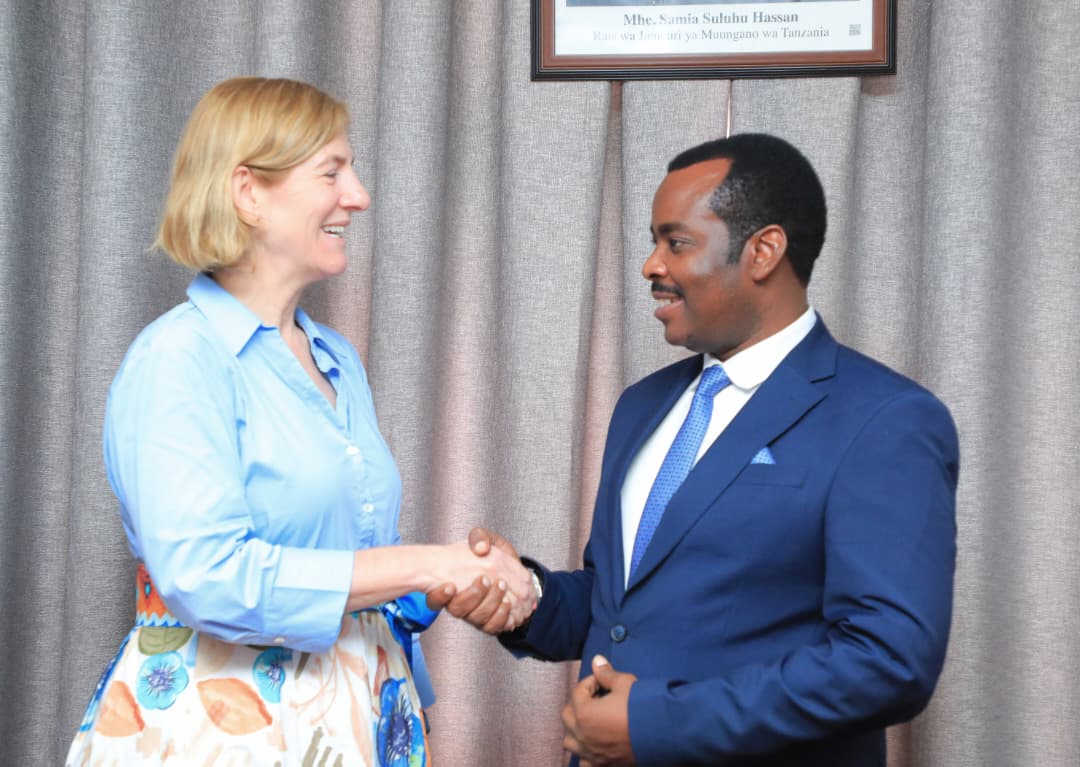
Akizungumza baada ya kikao hicho kilichofanyika Dar es Salaam leo, Ayoub amesema katika eneo la uhamiaji, pande zote mbili zimejadili mienendo ya watu wanaotoka Austria kuja Tanzania na Watanzania wanaokwenda Austria, ambapo Tanzania imeeleza kuwa iko tayari kuendelea kuwapokea raia wa Austria kwa mujibu wa sheria na kuondoa vikwazo visivyo vya lazima ili kukuza uchumi na maendeleo ya nchi hizo mbili.
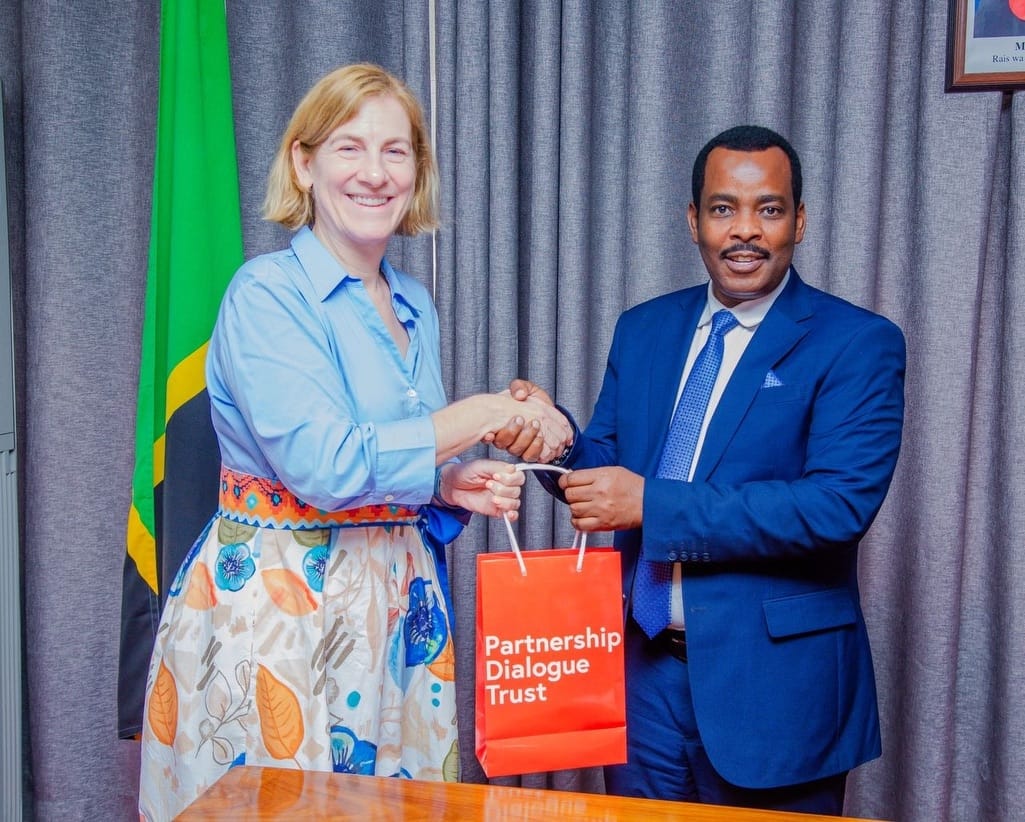
Kadhalika, viongozi hao walijadili umuhimu wa kuimarisha usalama wa mataifa yao kwa kushirikiana katika mapambano dhidi ya dawa za kulevya pamoja na uhalifu wa mtandao (cybercrime).
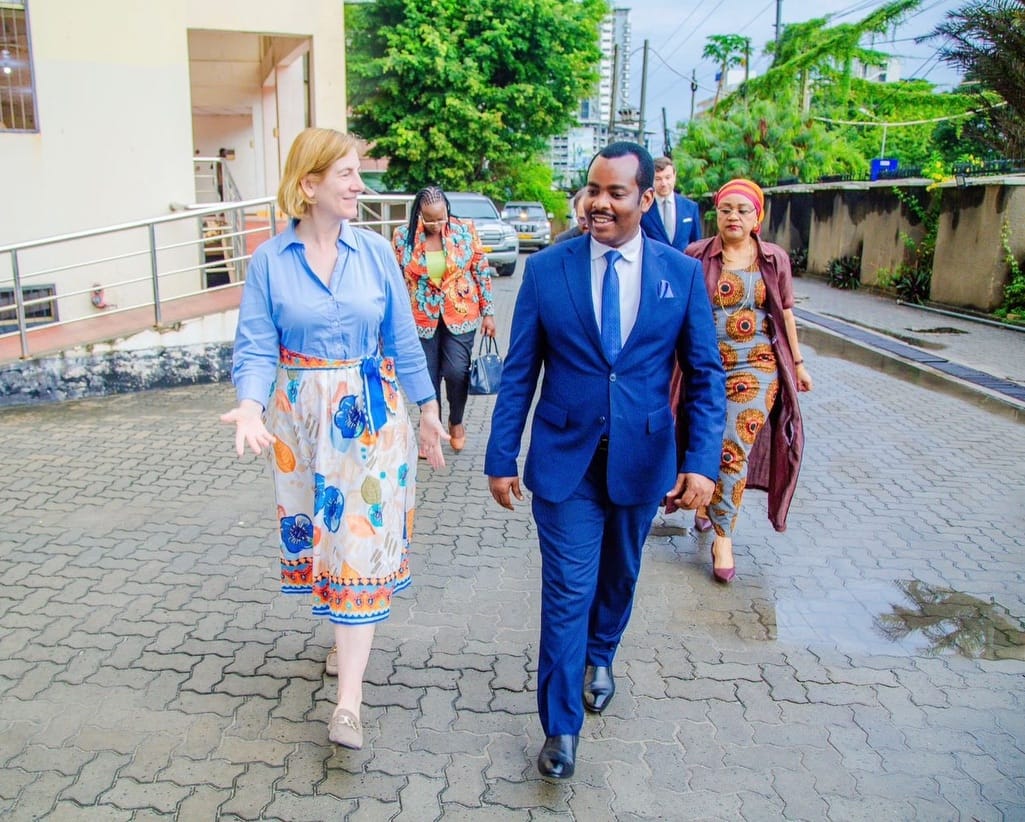
Aidha, wamekubaliana kubadilishana taarifa na uzoefu katika kukabiliana na makosa ya mtandaoni, ikiwemo matumizi mabaya ya teknolojia ya Akili Mnemba (Artificial Intelligence) yanayoweza kusababisha upotoshaji wa taarifa au kuharibu taswira za watu.
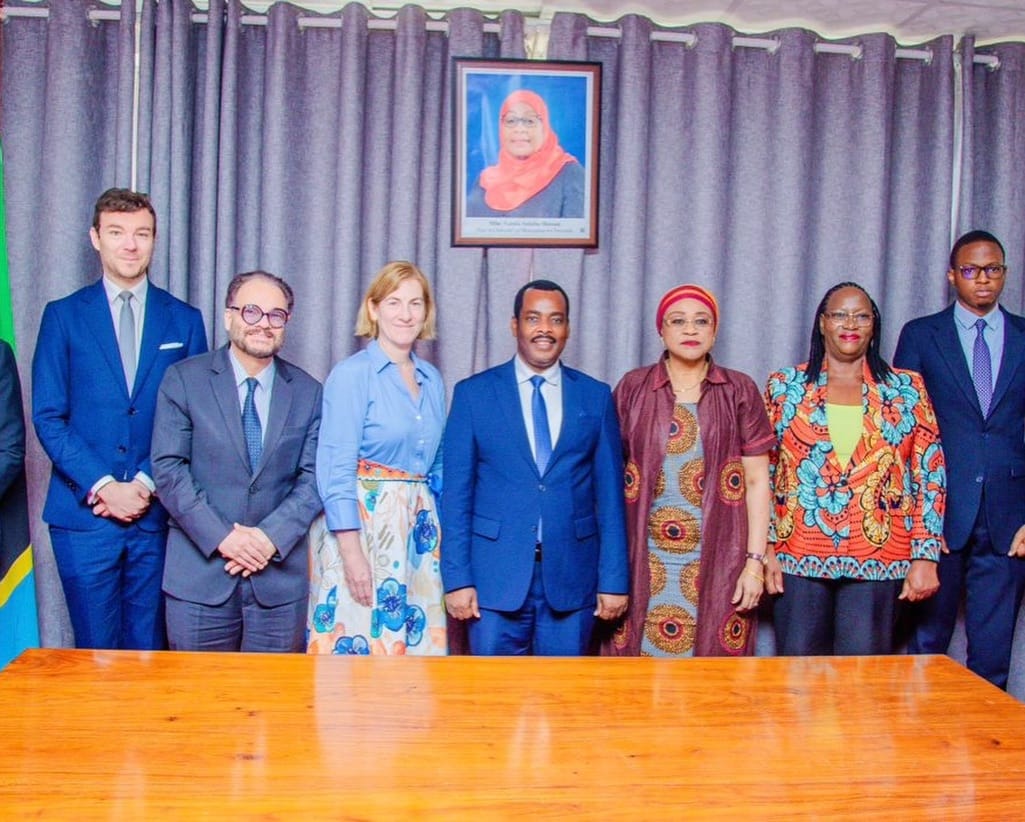
Vilevile Katika masuala ya wakimbizi, Mhe. Ayoub ameeelezea kuhusu hali ya wakimbizi nchini Tanzania na hatua zinazoendelea za kuwarejesha wakimbizi, hususan kutoka Burundi, kurejea makwao kwa hiari, jambo ambalo limepongezwa na upande wa Austria chini ya uongozi wa Rais wa Jamhuri ya Muungano wa Tanzania, Samia Suluhu Hassan.
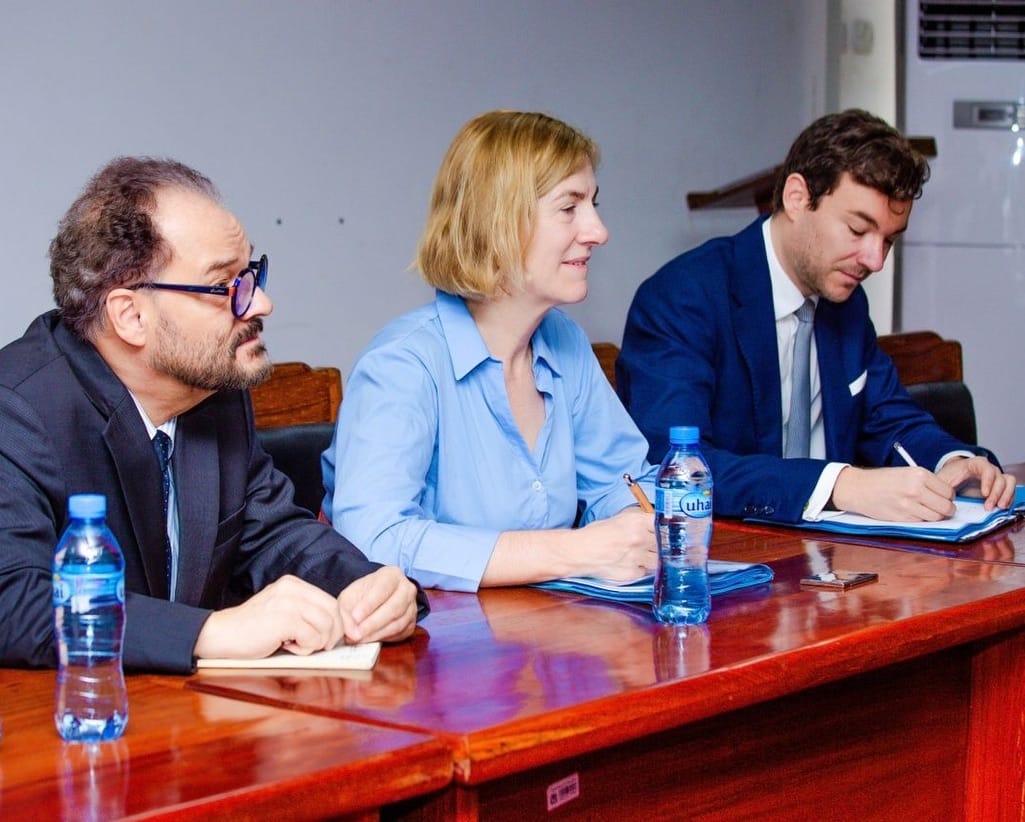
Viongozi hao wamekubaliana kuendelea kushirikiana na kubadilishana uzoefu katika masuala ya Uhamiaji, na Usalama kwa manufaa ya nchi zote mbili.

### 🌍 **Countries with National or Legal Dress Code Policies**
* **Iran**
Has strict national dress laws requiring modest clothing; women must wear a hijab in public.
* **Saudi Arabia**
Enforces modest dress in public (traditionally abaya for women, though rules have relaxed slightly in recent years).
* **Afghanistan**
Under current authorities, strict dress codes—especially for women—are enforced.
—
### 🌍 **Countries with Dress Code Rules in Specific Settings**
* **France**
Has laws restricting religious clothing (like face coverings) in public places.
* **United Arab Emirates**
Encourages modest dress in public, especially in malls, mosques, and government areas.
* **India**
Dress codes vary by institutions (schools, offices, some states or religious places).
* **Japan**
No national law, but strict dress codes exist in schools and workplaces.
* **United Kingdom**
Dress codes are common in schools and workplaces but not enforced by national law.
* **United States**
No national dress code; rules exist in schools, companies, and certain public institutions.
—
### 🌍 **Africa Examples**
* **Uganda**
Some attempts to regulate “indecent dressing,” though enforcement varies.
* **Zambia**
Has laws addressing indecent dressing in public spaces.
* **Tanzania**
No national dress code law, but guidelines exist in schools, workplaces, and cultural settings.
—
### 🧭 Key Insight
Dress code policies generally fall into 3 types:
1. **Strict national laws** (e.g., Iran)
2. **Public modesty or cultural guidelines** (e.g., UAE)
3. **Institution-based rules** (schools, offices, religious places)
—
JOIN US Everybody can earn 250/h Dollar + daily 1K… You can earn from 12000-16700 Dollar a month or even more if you work as a part time job…It’s easy, just follow instructions on this page, read it carefully from start to finish… It’s a flexible job but a good earning opportunity. tab for more detail thank you……..
.
This is my main concern…………………… http://Www.Cash54.Com
I just came across this amazing way to earn $11,000-$15,000 a month online! No selling, no struggle—just a simple system that anyone can follow. Mia Westbrook did it, and so can you! Don’t miss out on this life-changing opportunity.
.
This is what I do…………………… http://Www.Payathome9.Com
### 🌍 **Countries with National or Legal Dress Code Policies**
* **Iran**
Has strict national dress laws requiring modest clothing; women must wear a hijab in public.
* **Saudi Arabia**
Enforces modest dress in public (traditionally abaya for women, though rules have relaxed slightly in recent years).
* **Afghanistan**
Under current authorities, strict dress codes—especially for women—are enforced.
—
### 🌍 **Countries with Dress Code Rules in Specific Settings**
* **France**
Has laws restricting religious clothing (like face coverings) in public places.
* **United Arab Emirates**
Encourages modest dress in public, especially in malls, mosques, and government areas.
* **India**
Dress codes vary by institutions (schools, offices, some states or religious places).
* **Japan**
No national law, but strict dress codes exist in schools and workplaces.
* **United Kingdom**
Dress codes are common in schools and workplaces but not enforced by national law.
* **United States**
No national dress code; rules exist in schools, companies, and certain public institutions.
—
### 🌍 **Africa Examples**
* **Uganda**
Some attempts to regulate “indecent dressing,” though enforcement varies.
* **Zambia**
Has laws addressing indecent dressing in public spaces.
* **Tanzania**
No national dress code law, but guidelines exist in schools, workplaces, and cultural settings.
—
### 🧭 Key Insight
Dress code policies generally fall into 3 types:
1. **Strict national laws** (e.g., Iran)
2. **Public modesty or cultural guidelines** (e.g., UAE)
3. **Institution-based rules** (schools, offices, religious places)
—
..
### 🌍 **Countries with National or Legal Dress Code Policies**
* **Iran**
Has strict national dress laws requiring modest clothing; women must wear a hijab in public.
* **Saudi Arabia**
Enforces modest dress in public (traditionally abaya for women, though rules have relaxed slightly in recent years).
* **Afghanistan**
Under current authorities, strict dress codes—especially for women—are enforced.
—
### 🌍 **Countries with Dress Code Rules in Specific Settings**
* **France**
Has laws restricting religious clothing (like face coverings) in public places.
* **United Arab Emirates**
Encourages modest dress in public, especially in malls, mosques, and government areas.
* **India**
Dress codes vary by institutions (schools, offices, some states or religious places).
* **Japan**
No national law, but strict dress codes exist in schools and workplaces.
* **United Kingdom**
Dress codes are common in schools and workplaces but not enforced by national law.
* **United States**
No national dress code; rules exist in schools, companies, and certain public institutions.
—
### 🌍 **Africa Examples**
* **Uganda**
Some attempts to regulate “indecent dressing,” though enforcement varies.
* **Zambia**
Has laws addressing indecent dressing in public spaces.
* **Tanzania**
No national dress code law, but guidelines exist in schools, workplaces, and cultural settings.
—
### 🧭 Key Insight
Dress code policies generally fall into 3 types:
1. **Strict national laws** (e.g., Iran)
2. **Public modesty or cultural guidelines** (e.g., UAE)
3. **Institution-based rules** (schools, offices, religious places)
—
.
—
### 🌍 Countries with National Eating / Nutrition Policies
* **United States**
Has the **Dietary Guidelines for Americans**, which advise what people should eat for good health.
* **United Kingdom**
Uses the **Eatwell Guide**, promoting balanced diets and healthy eating habits.
* **Canada**
Has **Canada’s Food Guide**, focusing on healthy food choices and eating patterns.
* **India**
Publishes national dietary guidelines through health authorities.
* **Brazil**
Known for its **Dietary Guidelines**, emphasizing natural and minimally processed foods.
* **South Africa**
Has **Food-Based Dietary Guidelines** for promoting healthy eating.
* **Kenya**
Has national nutrition action plans and dietary guidance.
* **Tanzania**
Has a **National Nutrition Policy** and guidelines to improve public health and reduce malnutrition.
—
### 🧭 Key Point
What you called an **“eating policy”** is usually officially named:
* **Nutrition Policy**
* **Dietary Guidelines**
* **Food Policy**
* **School Feeding Policy** (in some countries)
—
It looks like you mean **“eating policy”** as in government rules about food, nutrition, or diet. These are usually called **nutrition policies, food policies, or dietary guidelines**. Almost every country has them. Here are some clear examples:
—
### 🌍 Countries with National Eating / Nutrition Policies
* **United States**
Has the **Dietary Guidelines for Americans**, which advise what people should eat for good health.
* **United Kingdom**
Uses the **Eatwell Guide**, promoting balanced diets and healthy eating habits.
* **Canada**
Has **Canada’s Food Guide**, focusing on healthy food choices and eating patterns.
* **India**
Publishes national dietary guidelines through health authorities.
* **Brazil**
Known for its **Dietary Guidelines**, emphasizing natural and minimally processed foods.
* **South Africa**
Has **Food-Based Dietary Guidelines** for promoting healthy eating.
* **Kenya**
Has national nutrition action plans and dietary guidance.
* **Tanzania**
Has a **National Nutrition Policy** and guidelines to improve public health and reduce malnutrition.
—
### 🧭 Key Point
What you called an **“eating policy”** is usually officially named:
* **Nutrition Policy**
* **Dietary Guidelines**
* **Food Policy**
* **School Feeding Policy** (in some countries)
—
.
This is a topic that’s close to my heart… Many thanks! Where are your contact details though?
Here is my website – Buy Rivotril