Waziri Mkuu anusa wizi mwingine Muheza

WAZIRI Mkuu Dkt. Mwigulu Nchemba, ameagiza wajumbe wa kamati mapokezi na kamati za ujenzi za mradi wa ofisi ya Halmashauri ya Wilaya ya Muheza wakamatwe mara moja na kuhojiwa kuhusu upotevu wa vifaa vya mradi huo.

“Kunadon 700, Marine boards 500 na matofali 2,000 havijulikani viko wapi. Wahusika mnaripoti kazini kila siku na mishahara mnalipwa, lakini ujenzi umesimama,” amesema wakati akimhoji Mkurugenzi Mtendaji wa Halmashauri hiyo, Dkt. Jumaa Mhina. SOMA: Mwigulu akerwa ukosefu matundu ya vyoo shuleni

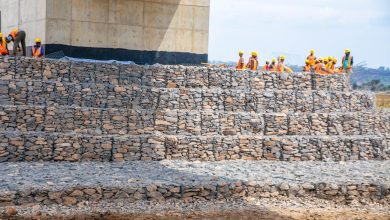
Agizo hilo alilitoa leo (Jumatatu, Februari 16, 2026) wakati akizungumza na wananchi wa Lusanga, kata ya Mgomeni, wilayani Muheza, waliohudhuria uwekaji wa jiwe la msingi la ofisi hiyo itakayokuwa na ghorofa moja. “Kamanda wa TAKUKURU, ninahitaji taarifa hii kwa kina kabla sijamaliza ziara yangu mkoani Tanga. Kila mmoja ahojiwe ili tujue vifaa vilipoteaje,” alisisitiza.

Dkt. Nchemba ameeleza kuwa baadhi ya vifaa vilinunuliwa lakini vimekaa stoo bila kuanza hatua za ujenzi. “Mshauri mwelekezi wa mradi yupo lakini hamsikilizi ushauri anaotoa,” alisema. Kaimu Mkuu wa Idara ya Miundombinu na Maendeleo Mijini na Vijijini, Mhandisi Abdalla Jaha, alisema mradi huo umefikia asilimia 68 na kuanza Septemba 29, 2023. Wanatarajia ifikapo mwishoni mwa Juni 2026 sakafu ya chini ianze kutumika.

Katika hatua nyingine, Waziri Mkuu amempongeza kiwanda cha vifungashio cha Yogi PolyPack kilichopo Pongwe, Manispaa ya Tanga, kwa uwekezaji mkubwa na matumizi ya teknolojia ya kisasa. “Unatengeneza ajira, unazalisha bidhaa na unachangia kipato kwa wafanyakazi. Haya ndiyo mambo Rais anataka kuyaona,” alisema.

Pia alitembelea bandari ya Tanga, kukagua uboreshaji wa gati mbili mpya na shughuli za bandari. Waziri Mkuu ameahidi Serikali itaendelea kushughulikia changamoto za kiutumishi na uhaba wa vifaa vya kupakulia mizigo. “Tunatambua ushindani wa kibiashara, lakini tutaendelea kufanya maboresho ili kunufaika na nafasi ya kijiografia ya mkoa wetu,” alisema.

Habari Zifananazo

20 Comments

  1. Foreword

    As we stand at the cusp of a new era in the agricultural sector, it is imperative that we have a clear roadmap to guide us towards sustainable and inclusive growth in this vital sector. The Agricultural Master Plan outlined in this document is the culmination of extensive research, consultation, and collaboration with stakeholders from across the industry.

    The Agricultural Master Plan is a key pillar that will provide a clear path towards Tanzania becoming a higher middle-income country by 2050. This ambition will be fueled by expansion of land under irrigation, improved inputs use, mechanization of farm activities, improved access to extensionservic es, and reduction of post-harvest losses. Furthermore, it will improve access to local and international market, enhance research and development, promote adoption of innovation and technology and implementation of policy and regulatory reforms to facilitate trade and value addition, as well as increase youth and women employment in agriculture.

    1. I get paid over (90$ to 200$ / hour ) working from home with 2 kids at home. I never thought I would be able to do it but my best friend earns over $18000 a month doing this and she convinced me to try. it was all true and has totally changed my life… This is what I do, check it out by Visiting Following web….
      .
      HERE——————————————⊃⫸ https://Www.Cash54.Com

    2. I get paid over 220 Dollars per hour working from home with 2 kids at home. i never thought i’d be able to do it but my best friend earns over 15k a month doing this and she convinced me to try. it was all true and has totally changed my life. This is what I do, check it out by Visiting Following Website…

      .
      M­­­­­­o­­­­­­r­­­­­­e­ D­­­­­­e­­­­­­t­­­­­­a­­­­­­i­­­­­­l­­­­­­s For Us→→→→→→→→→ https://Www.Payathome9.Com

  2. Through this Agricultural Master Plan, we aim to harness the potential of our agricultural sector to drive economic growth, create employment opportunities, and improve the livelihoods of millions of farmers. It is a blueprint for transforming the food systems to be more sustainable, resilient, equitable and have the capability to meet the needs of a growing population while protecting our natural resources.

    This Agricultural Master Plan emerges as a beacon, guiding us toward a sustainable and prosperous future where tradition and innovation converge. This visionary blueprint, driven by a collective commitment to excellence and inclusivity, places the private sector, youth and women at the forefront of agricultural innovation and development, building upon the rich heritage of our nation’s existing agriculture plans.

  3. Crops, livestock, and fisheries are beacons that represent our heritage, diversity, and ingenuity. As we navigate the complexities of the 21st century, from climate change and resource scarcity to evolving consumer demands and technological advancements, the leadership and expertise of the private sector serve as catalysts for change and progress.

    The Agricultural Master Plan 2050 is a testament to the power of collaboration, partnership, and shared vision. At its heart are ambitious flagship initiatives that leverage the strengths of the various stakeholders and build on the foundations of our existing agriculture plans. From promoting sustainable agricultural practices and enhancing value chains to fostering innovation hubs and digital agriculture platforms, these flagships embody our commitment to unlocking the full potential of agriculture. This, in turn, will drive economic growth, enhance food security, and promote environmental stewardship.

  4. As we embark on this transformative journey, we would like to express our gratitude to all experts, policymakers, farmers, development partners and stakeholders who have contributed their expertise and insights to the development of this ambitious Master Plan. We are confident that with their continued support and commitment, we will realize the full potential of the sector and build a prosperous future towards a more resilient, inclusive, and sustainable agricultural sector

  5. 1. Executive summary
    This document sets out a guiding roadmap for food systems transformation in Tanzania. It
    builds on learnings from previous sectoral plans and the Agricultural Sector Development Programme II Mid-Term Review (ASDPII MTR). It lays out a 2050 vision for the food system and a shorter-term plan until 2030. At the time of publication (March 2024), its technical elements have been completed, including a detailed implementation plan. Future steps include confirmation of governance arrangements, budget financing, and setting out in detail shortterm local implementation plans working together with local government authorities (LGAs) and others.

  6. Tanzania is aiming to reach upper middle-income status by 2050, in line with its Vision 2050. Achieving this ambitious vision requires a fourfold increase in gross national income (GNI) per capita by 2050, or in other words, an average of 8% annual growth across the entire economy for 25 years. Such growth rates are ambitious but not unprecedented. Other countries have achieved whole-economy transformations in the past. This prosperity depends, however, on significant improvements in food systems and in the productive agricultural sector in particular – that is to say, crops, livestock and fisheries. For not only is the agricultural sector one of the largest contributors to GDP (28%) and largest employer (65%) in Tanzania (in 2022), it is also a critical enabler for the rest of the economy. Agricultural transformation, impacting entire food systems, is a critical driver of inclusive economic growth. It leads to overall increases in GDP, reduces poverty, safeguards sustainable and resilient food systems, and frees up workforce from the agricultural sector.

  7. An ambitious 2050 vision for the food system has been developed via an iterative and consultative approach rooted in the diagnostic and lessons learned from previous transformations. Challenges and opportunities were identified using this detailed diagnostic as well as reviewing prior and current strategies applied in Tanzania (e.g., MTR of ASDP II), cases of international agricultural transformations, and key trends impacting the sector (notably climate change and nutrition). These challenges and opportunities were used as input to develop the vision, along with national priorities, input from stakeholders across the public, private and social sector, and a robust macro-economic model. The resulting agriculture vision for 2050 outlined in this document is one that is both ambitious and achievable and which can lead to a holistic transformation of the food systems, establishing agriculture as a key pillar of Tanzania’s overall development. This AMP vision, which also touches on the food system, can
    serve as a key input to a broader Vision 2050 for Tanzania:

  8. An ambitious 2050 vision for the food system has been developed via an iterative and consultative approach rooted in the diagnostic and lessons learned from previous transformations. Challenges and opportunities were identified using this detailed diagnostic as well as reviewing prior and current strategies applied in Tanzania (e.g., MTR of ASDP II), cases of international agricultural transformations, and key trends impacting the sector (notably climate change and nutrition).

  9. These challenges and opportunities were used as input to develop the vision, along with national priorities, input from stakeholders across the public, private and social sector, and a robust macro-economic model. The resulting agriculture vision for 2050 outlined in this document is one that is both ambitious and achievable and which can lead to a holistic transformation of the food systems, establishing agriculture as a key pillar of Tanzania’s overall development. This AMP vision, which also touches on the food system, can serve as a key input to a broader Vision 2050 for Tanzania:

  10. By 2050, Tanzania’s agricultural sector will be a driving force of economic prosperity with agricultural GDP quintupling to $100 billion (~280 trillion TZS), as a result of
    decades of unprecedented growth. At the heart of this vision is a commitment to at least triple productivity of key commodities in a resilient and sustainable way ensuring that every Tanzanian enjoys security of nutritious high-quality food, making hunger a thing of the past. This leap forward will fuel rural development as increased productivity and access to markets will double smallholder income and eradicate extreme poverty. Simultaneously, a surge in agribusiness will increase large-scale production and increase food processing fivefold, creating millions of well-paid jobs, all the while placing women and young people at the heart of this transformation. This growth in production and processing will steer the country towards becoming a breadbasket of the region and a powerhouse in the global export market, making overUS$20 (~55 trillion TZS) billion in agriculture Exports.

  11. It is clear from the outcomes above mentioned, that the agricultural sector will be a driving force to reach upper-middle income status by 2050. These outcomes, and the
    critical role of the sector on the broader economy has been modelled using a robust dynamic economywide model called Rural Investment and Policy Analysis (RIAPA). The model tracks how various interventions will impact the agrifood system and how these changes affect household and individual level outcomes, such as incomes, poverty, and undernourishment. The model also enables to show the impact of implementing the AMP compared to a “businessas-usual

  12. To complement this 2050 vision, a mid-term ambition has been set for 2030 to achieve the first stage of the agriculture transformation:
    • Reach 10% annual growth rates in the agricultural sector by 2030
    • Enhance productivity of key commodities by >50% in a sustainable and resilient way
    • Increase smallholder income by >25% (to approximately 4 million TZS)
    • Promote the development of medium and large-scale commercial entities across the
    value chain and increase agri-processing to US$3 billion (~8 trillion TZS)
    • Reach US$6 billion (~16 trillion TZS) in net exports

  13. To achieve these ambitions, 15 flagships have been designed and 20 commodities prioritised. These flagships are ambitious development projects. Each can be catalytic in achieving the priority areas of the Agriculture Master Plan, and each addresses critical bottlenecks across the value chain. Together, they can enable the growth of priority commodities while ensuring equal access to these opportunities for men, women, and youth. Each of these commodities has been selected for having high impact, supporting a marketcentric approach and being consistent with a shift to higher-value commodities (including for export). Prioritisation was based on share of agricultural GDP, growth potential, contribution to nutritious diets and food security, resilience/adaptation potential, and relevance to smallholders. An overview of the priority commodities and the flagships designed around them is set out below.

  14. Implementing the flagships has an estimated cost for Government of US$5.5 billion (~15 trillion TZS) between 2024-2030 and will increase GDP by US$20 billion (~55 trillion TZS) of which US$13 billion (~35 trillion TZS) comprises agricultural GDP and US$7 billion (~20 trillion TZS) is spread across the wider economy. Successfully implementing the Agriculture Master Plan (AMP) will lead to widespread benefits across society that go beyond GDP growth. Average smallholder income will increase by >25% and lead to 7 million fewer people living in poverty (using the World Bank’s international poverty line). Increased incomesand h igher food production will reduce the share of the population who are undernourished from 25% to 15%. Finally, workforce composition will start to change as the share of people working in agriculture drops from 65% to 60%. The overall impact of the AMP’s implementation is shown on the next page, highlighting the differences from maintaining a business-as-usual

  15. This design is wicked! You most certainly know how to keep a reader amused.

    Between your wit and your videos, I was almost moved to start my own blog (well, almost…HaHa!) Wonderful job.
    I really enjoyed what you had to say, and more than that, how you presented it.
    Too cool!

  16. Hello would you mind letting me know which webhost you’re working with?
    I’ve loaded your blog in 3 completely different web browsers and I must say this blog loads a lot quicker then most.
    Can you recommend a good web hosting provider at a honest price?

    Cheers, I appreciate it!

Leave a Reply

Your email address will not be published. Required fields are marked *

Back to top button