Kiwanda cha zege Dar chafungiwa

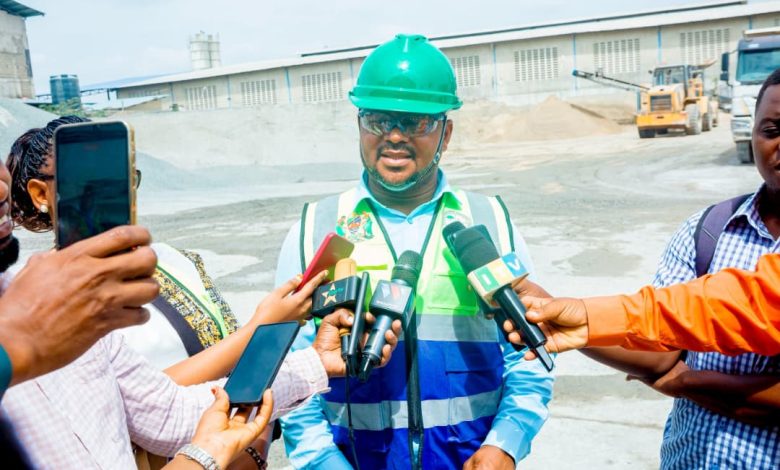
DAR ES SALAAM: BARAZA la Taifa la Hifadhi na Usimamizi wa Mazingira (NEMC) limekifunga kiwanda cha kutengeneza zege cha JUYE Concrete Company Ltd kilichopo Mikocheni, jijini Dar es Salaam, kufuatia tuhuma za uchafuzi wa mazingira unaowaathiri wakazi wa maeneo jirani.
Zuio hilo limetolewa leo, Februari 12, 2026, na Meneja wa Uzingatiaji wa Sheria wa NEMC, Hamadi Taimuru, baada ya kufanya ziara ya kushtukiza kiwandani hapo kukagua utekelezaji wa maagizo yaliyokuwa yametolewa awali.
Kwa mujibu wa Taimuru, kiwanda hicho kilianza kukaguliwa tangu mwaka jana na kimepewa maelekezo mara nne ili kurekebisha kasoro zilizobainika. Hata hivyo, malalamiko kutoka kwa wakazi wa karibu kuhusu vumbi na maji taka yameendelea kuripotiwa.

Taimuru amesisitiza kuwa ingawa viwanda ni muhimu kwa maendeleo ya taifa, ni lazima viendeshwe kwa kuzingatia ustawi wa wananchi.
“Nchi yetu inahitaji viwanda kwa ajili ya uzalishaji na maendeleo, kwa sababu hakuna maendeleo bila viwanda. Lakini maendeleo haya ni kwa ajili ya watu. Kama kiwanda kinaumiza watu, hata tukizalisha bidhaa hizo hatutakuwa na wa kuwauzia. Ni lazima tulinde afya za wananchi,” amesema Taimuru.
Kutokana na hali hiyo, NEMC imesimamisha uzalishaji katika kiwanda hicho hadi marekebisho yatakapokamilika.
“Tunasimamisha uzalishaji wa kiwanda hiki ili tuwape nafasi ya kufanya marekebisho. Wakikamilisha leo tutakuja kufungua, wakikamilisha kesho watatuarifu na tutakuja,” amesisitiza.

Kwa upande wao, Meneja wa JUYE Concrete Company Ltd, Cao Zhojun, pamoja na msaidizi wake Shery Chen, wamesema wanatambua umuhimu wa kulinda afya ya wananchi na wameahidi kutekeleza maagizo yote yaliyotolewa na NEMC ili kurejesha uzalishaji.
Wameeleza kuwa tayari waliagiza vifaa vya ujenzi na walikuwa wamefikia makubaliano na mkandarasi mdogo kuanza kazi za maboresho.
“Tuliagiza vifaa kwa ajili ya ujenzi na tayari tulikuwa na mkataba na mkandarasi ambaye angeanza kazi. Siku mbili zilizopita tulifikia makubaliano, hivyo kuanzia kesho tutawahimiza waanze kazi mara moja,” wamesema.
Wakati huo huo, NEMC imetembelea kiwanda cha YK Tosh Premix ambacho tayari kilikuwa kimesimamisha uzalishaji kwa hiari ili kufanya maboresho ya kudhibiti vumbi, kelele na majitaka, kufuatia malalamiko ya wakazi wa jirani.

Taimuru amewataka viongozi wa kiwanda hicho kuendelea kusimamisha uzalishaji hadi watakapokamilisha marekebisho na kutimiza matakwa yote ya kimazingira, ikiwemo kupata kibali cha ukaguzi.
Amesisitiza kuwa hata kama ujenzi wa maboresho unaendelea, hautaruhusu kuendelea kwa uzalishaji unaosababisha kero kwa majirani.
Aidha, Taimuru amesema NEMC inatambua umuhimu wa viwanda katika uchumi wa nchi na inaendelea kushirikiana na wawekezaji, lakini ni lazima wazingatie sheria za mazingira ili kulinda afya za wananchi.

Naye, Meneja wa NEMC Kanda ya Mashariki Kaskazini, Glory Komba, amesema ukaguzi huo ni sehemu ya ufuatiliaji wa maagizo yaliyotolewa awali ili kudhibiti kero kama vumbi, kelele na majitaka kwa wakazi wa maeneo ya jirani.
Amesisitiza kuwa wawekezaji wanapaswa kufanya tathmini ya athari kwa mazingira (EIA) kabla ya kuanza miradi yao, ili kupata mwongozo sahihi wa kitaalamu, kupunguza gharama zisizo za lazima na kuepusha usumbufu kwa jamii.
Kwa ujumla, NEMC imeweka wazi kuwa itaendelea kusimamia utekelezaji wa sheria za mazingira ili kuhakikisha maendeleo ya viwanda yanaendana na ustawi wa wananchi.


Several countries offer free or nearly free tuition at public universities for residents, EU/EEA citizens, and sometimes all international students. Top countries include Germany, Norway, Finland, Sweden, Denmark, Austria, Iceland, and Slovenia. While tuition is free, students often pay nominal semester fees (e.g., €100–€350 in Germany).
Key Countries with Free/Low-Cost Higher Education:
Germany: Public universities are generally free for all students, including non-EU nationals, with only small administrative fees.
Norway: Public higher education is free for all students, including those from outside the EU/EEA.
Finland: Free for EU/EEA and Swiss citizens; doctoral-level studies are often free for all.
Sweden: Free for EU/EEA and Swiss citizens, with PhD programs often free for all.
Denmark: Free for EU/EEA and Swiss citizens.
Austria: Free for EU/EEA students at public universities, with low fees for non-Europeans.
Iceland: Public universities are generally tuition-free for all students, requiring only an registration fee.
Czech Republic: Free for all, provided the program is taught in the Czech language.
Greece: Free for EU/EEA students, with low-cost options for others.
France: Public universities have very low, subsidized fees for all students.
Several countries and specific regions offer free or nearly free land to attract residents, investors, or agricultural development. Key locations include Botswana (for citizens), Tanzania (for industrial investors in Dodoma), Pitcairn Island, and parts of the USA (such as Iowa and Minnesota). These programs often require building a home within a specific timeframe or investing in the local economy.
Botswana: Citizens can receive free land for residential use.
Tanzania: The government offers free land for investors in building/construction materials. Specific industrial plots are available in Dodoma.
Pitcairn Island: Offers free land to individuals willing to settle in this remote Pacific location, provided they build a home.
Italy: Various towns offer abandoned homes for €1 ($1), such as in Maenza, requiring renovation within a few years.
USA:
Marne, Iowa: Offers free plots for residential construction.
Manila, Iowa: Provides free lots for building homes.
Claremont, Minnesota: Offers free lots for working families to build homes.
Buffalo, New York: Offers parcels for $1, requiring 3+ years of residency.
Canada: The Yukon territory has agricultural programs, and the rural municipality of Pipestone, Manitoba, has offered land for a very low cost ($10).
Congo-Brazzaville: Offered 99-year free leases to farmers for agricultural development.
Japan: Offers, and in some cases gives away, abandoned, rural homes (Akiya) to combat aging populations.
Several countries offer free or nearly free tuition at public universities for residents, EU/EEA citizens, and sometimes all international students. Top countries include Germany, Norway, Finland, Sweden, Denmark, Austria, Iceland, and Slovenia. While tuition is free, students often pay nominal semester fees (e.g., €100–€350 in Germany).
Key Countries with Free/Low-Cost Higher Education:
Germany: Public universities are generally free for all students, including non-EU nationals, with only small administrative fees.
Norway: Public higher education is free for all students, including those from outside the EU/EEA.
Finland: Free for EU/EEA and Swiss citizens; doctoral-level studies are often free for all.
Sweden: Free for EU/EEA and Swiss citizens, with PhD programs often free for all.
Denmark: Free for EU/EEA and Swiss citizens.
Austria: Free for EU/EEA students at public universities, with low fees for non-Europeans.
Iceland: Public universities are generally tuition-free for all students, requiring only an registration fee.
Czech Republic: Free for all, provided the program is taught in the Czech language.
Greece: Free for EU/EEA students, with low-cost options for others.
France: Public universities have very low, subsidized fees for all students.
I earned $17,932 last month by working online for just 2 hours a day. This job is simple, flexible, and beginner-friendly,S1 making it accessible to everyone. It has helped me manage my finances effortlessly while focusing on my education as a full-time student.
You can click on this the website and begin
right away….www.today.earn54.com